Disclaimer: This article is intended solely for informational and educational purposes only. It does not constitute medical advice.
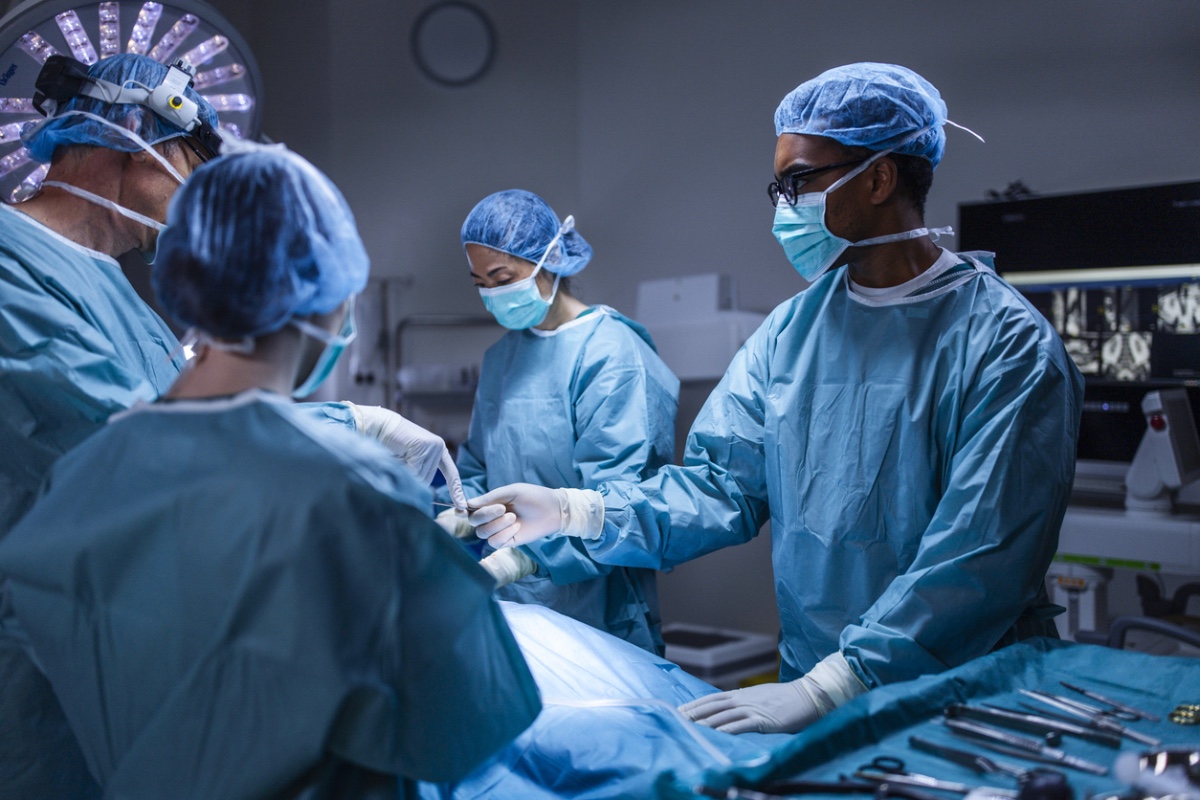
When you have surgery, several trained healthcare professionals will be present in the operating room (OR), each with a specific responsibility for your care. Although the exact makeup of the team varies depending on the type of procedure, your individual medical needs, and the staff structure of the facility, in most cases team members in the OR include a surgeon, an anesthesia provider, nurses, and, in some cases, surgical or anesthesia technicians. These professionals work together closely to help keep the procedure organized, efficient, and safe.
The surgeon is the physician who performs the operation and leads the surgical aspects of your care. Before surgery, the surgeon reviews your condition, confirms the planned procedure, and answers questions about the operation. In the operating room, the surgeon carries out the procedure, potentially with assistance from another surgeon, a surgical resident, physician assistant, or other qualified clinician. The number of people assisting the surgeon depends on the complexity of the operation. In addition, if the procedure takes place at a teaching hospital, residents or fellows may participate under supervision.
An anesthesia provider is responsible for managing anesthesia and monitoring important body functions during the procedure. Depending on the setting, this may be an anesthesiologist or a certified registered nurse anesthetist. The anesthesia provider evaluates you before surgery, administers medications for general, regional, or local anesthesia, and closely monitors factors such as breathing, heart rate, blood pressure, oxygen levels, and temperature. If your condition changes during surgery, the anesthesia provider responds and adjusts medications or supportive care as needed.
Nurses also play essential roles in the OR. A circulating nurse is one who works outside the sterile surgical field and helps coordinate the overall flow of the procedure. This nurse may confirm your identity and surgical site, assist with positioning, obtain additional supplies, document important details, and communicate with other departments or team members. A scrub nurse or surgical tech works within the sterile field and prepares instruments and supplies for the surgeon. This team member helps maintain sterility, passes instruments during the procedure, and participates in counts of sponges, needles, and surgical tools before the operation is completed.
Technicians are often present in the OR, although staffing practices vary by facility. Surgical techs typically help prepare the room, arrange sterile instruments, and assist the surgeon and scrub nurse during the operation, whereas an anesthesia tech supports the anesthesia provider by preparing equipment, checking supplies, and managing specialized devices. Their responsibilities vary according to hospital policy, training, and local regulations.
Other clinicians may join as team members in the OR when a procedure requires specialized expertise. For example, certain surgeries may involve radiology staff, perfusionists who operate heart-lung machines, medical device representatives providing technical support, or additional specialists. Teaching hospitals may have also medical students, residents, or fellows present as part of supervised clinical education.
Regardless of the exact staffing arrangement, OR teams rely on structured communication and clearly defined responsibilities. Before surgery begins, the team typically confirms key information such as the patient’s identity, the planned procedure, and the surgical site. Throughout the operation, team members continuously share information, anticipate one another’s needs, and monitor for potential problems. By combining different areas of expertise, the OR team works together toward the same goal: providing coordinated care throughout your surgery.